

A conversation with a deconstructing Christian questioning his faith
Recently, a young man contacted me in a great deal of distress. He was a lifelong Christian but was now questioning his faith. He expressed fear that scientific discoveries disproved Christianity because of the lack of evidence for events in the Bible. He also expressed an overwhelming fear of death. He wanted to reach out…
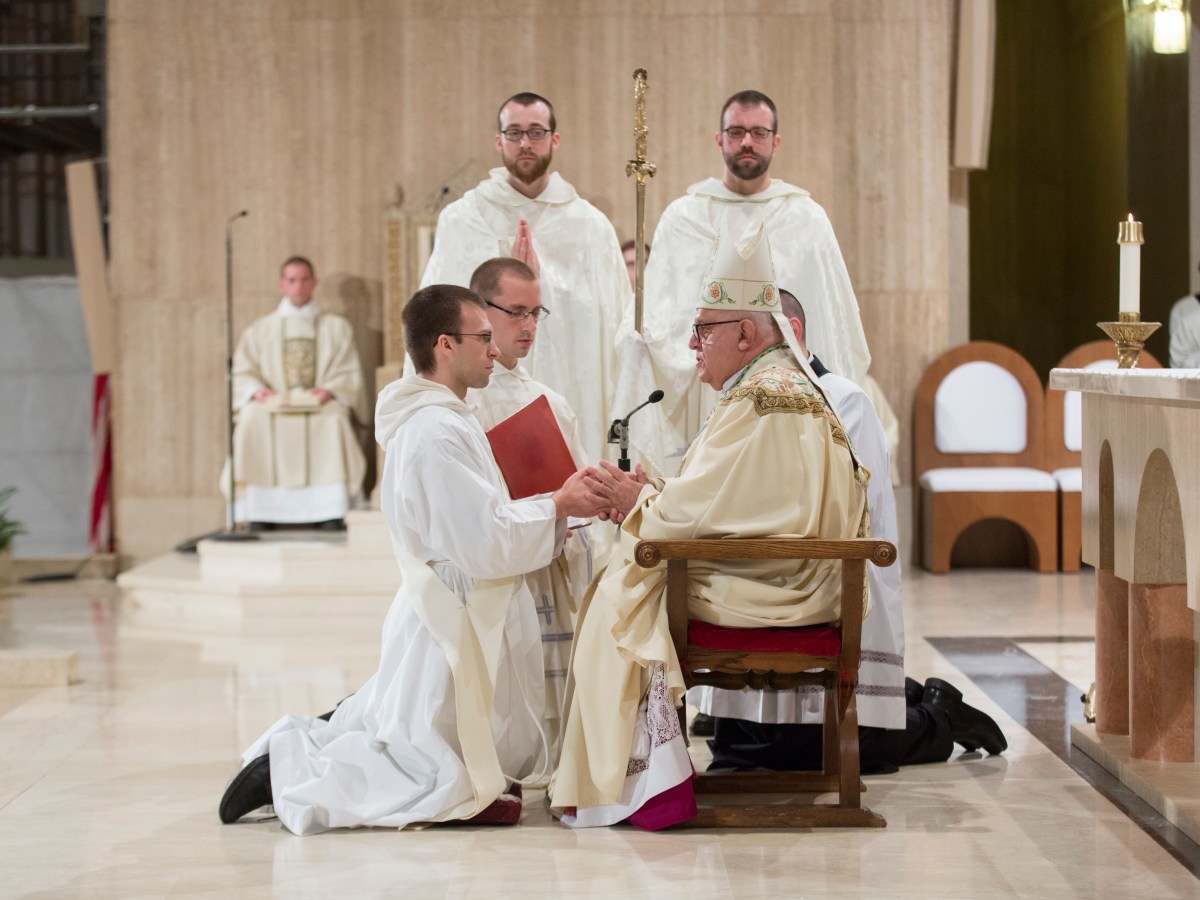
Did Anglicans lose their apostolic succession?
It is no surprise that the Roman Catholic Church does not recognize the ordination of Anglican deacons, priests, and bishops. After all, when Henry VIII broke the English Church away from the Pope and placed it under sovereign control, the idea that the Roman Catholics would continue to see Anglican orders as valid seems foolish.…
Why are the witnesses to Jesus’ resurrection reliable but those to the Book of Mormon not?
One of the strongest arguments in favor of the truth of the resurrection of Jesus Christ from the dead is that there were many eyewitnesses to the event. St. Paul wrote the earliest attestation: 1 Corinthians 15:3–8 (ESV): 3 For I delivered to you as of first importance what I also received: that Christ died for…

What do Anglicans believe about the Eucharist?
It’s been a while since I’ve written anything here. I’ve been mainly focused on my substack and Medium publications The Infinite Universe. I didn’t feel like this topic fit well with those, so I decided to address it here. Because an episcopal Bishop has been in the news lately, there has been more chatter about…
The Christian’s burden of proof for the resurrection and how to respond
There are several categories of objections to the Christian religion. Such disputes can be from non-Christians about Christian doctrine that is generally accepted by most Christians or it can be between Christians. There are objections on theological grounds. These dispute claims Christians make about the nature of God, what is required for salvation, the consequences…
What is the Christian afterlife and why believe in it?
One of the common criticisms of the concept of the afterlife, particularly the concept of going to heaven when we die, is that it is too good to be true. In other words, it is wishful thinking based on no evidence. It is the result of cognitive dissonance in that we cannot reconcile our innate…

Moral theology for an absurd universe
I recently wrote in my medium publication about “How to live in an absurd universe”. I touched a bit on religious themes but kept it pretty focused on philosophy. In this blog entry, I want to dive into the theology of absurdity. Given that our starting point is that the universe is absurd (that is…

Do the errors in scripture mean we shouldn’t trust it?
Modernist-Fundamentalist Christians in the early 20th century challenged two centuries of critical scholarship by declaring scripture to be inerrant. This inerrancy became, in the later 20th century, a belief that every word in the Bible is correct, an extreme sort of inerrancy that goes beyond the general teachings of scripture down to the exact language…
What the Bible says happens to the soul when we die
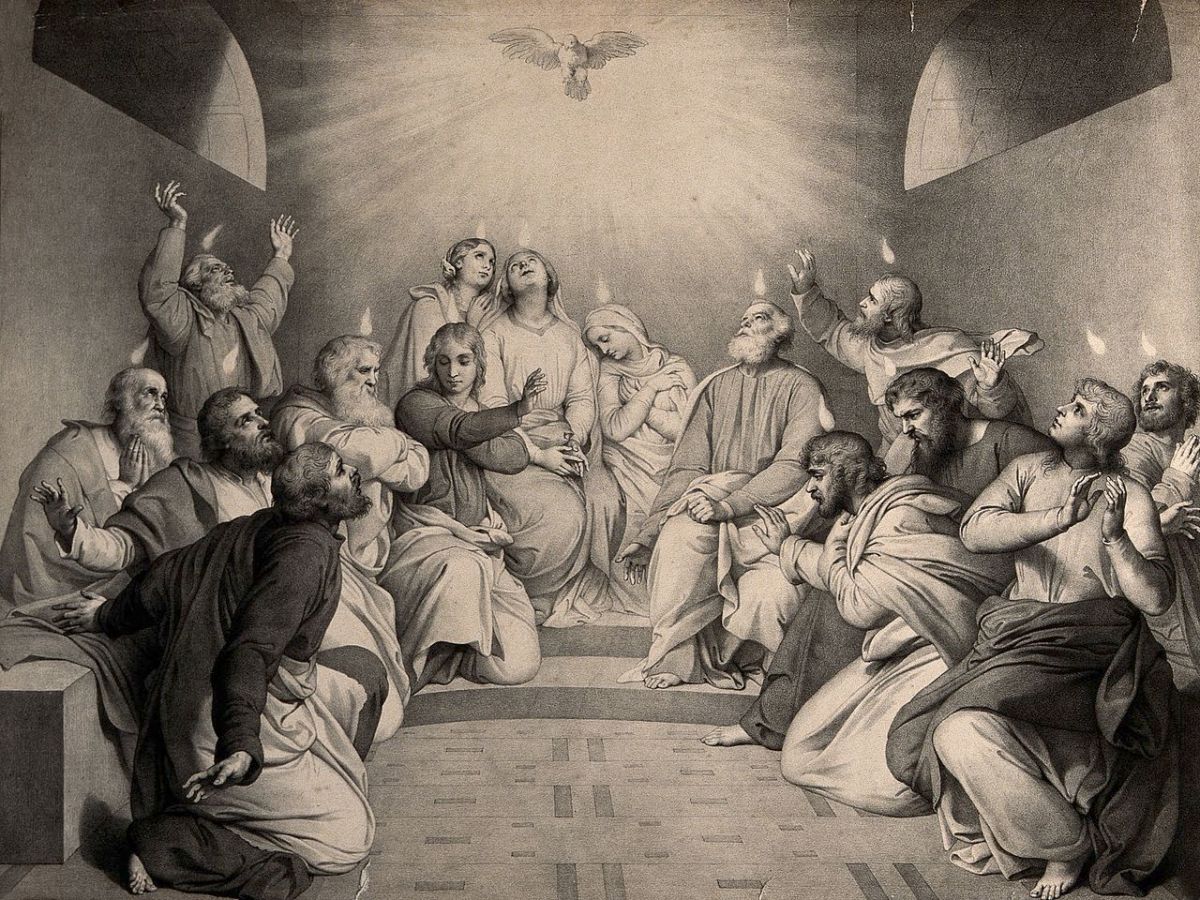
The word “soul” in the Bible is translated from two words: in the Old Testament, the Hebrew word nefesh, literally meaning throat, and from the New Testament, the Greek word psyche from which we get words like psychology. When we talk about a person having a soul, however, that separates from their body when they…

Does the Bible predict the future?
In the Bible, God, rather than speaking to people directly, chooses specific people through whom he reveals his commands as well as knowledge. These people are Prophets. The Prophets come from all sorts of backgrounds and it is clear that most of them don’t ask to be Prophets. It isn’t clear why God chooses certain…
Something went wrong. Please refresh the page and/or try again.
Follow My Blog
Get new content delivered directly to your inbox.
 The Universe of Tim Andersen